February is Teen Dating Violence Awareness Month: Promoting Healthy Relationships in Our Communities
published on
January 31, 2026
February is recognized as Teen Dating Violence Awareness Month (TDVAM), a time to raise awareness about the prevalence of dating abuse among adolescents and to equip students, families, and schools with the knowledge and tools to foster safe, respectful relationships.1 Teen dating violence can occur in many forms, including abuse perpetrated by a current or former dating partner.1,2,3 These forms include physical, emotional or psychological, verbal, sexual, stalking, and digital abuse, and they can have lasting effects on a young person’s health and well-being.4
Teen dating violence is more common than many realize. According to the CDC’s 2023 Youth Risk Behavior Survey, among U.S. high school students who dated in the past year, about 1 in 10 experienced physical dating violence, and about 1 in 16 experienced sexual dating violence, highlighting the importance of prevention education.5Warning signs of teen dating violence can look different for each relationship, but often include behaviors such as excessive jealousy or insecurity, controlling actions like checking your whereabouts or limiting contact with friends and family, unexpected mood swings or sudden anger, constant criticism or put‑downs, invasions of privacy, or even threats or acts of physical harm.6 Recognizing these red flags early can help prevent the situation from escalating and support teens in building relationships based on respect, equality, and safety.
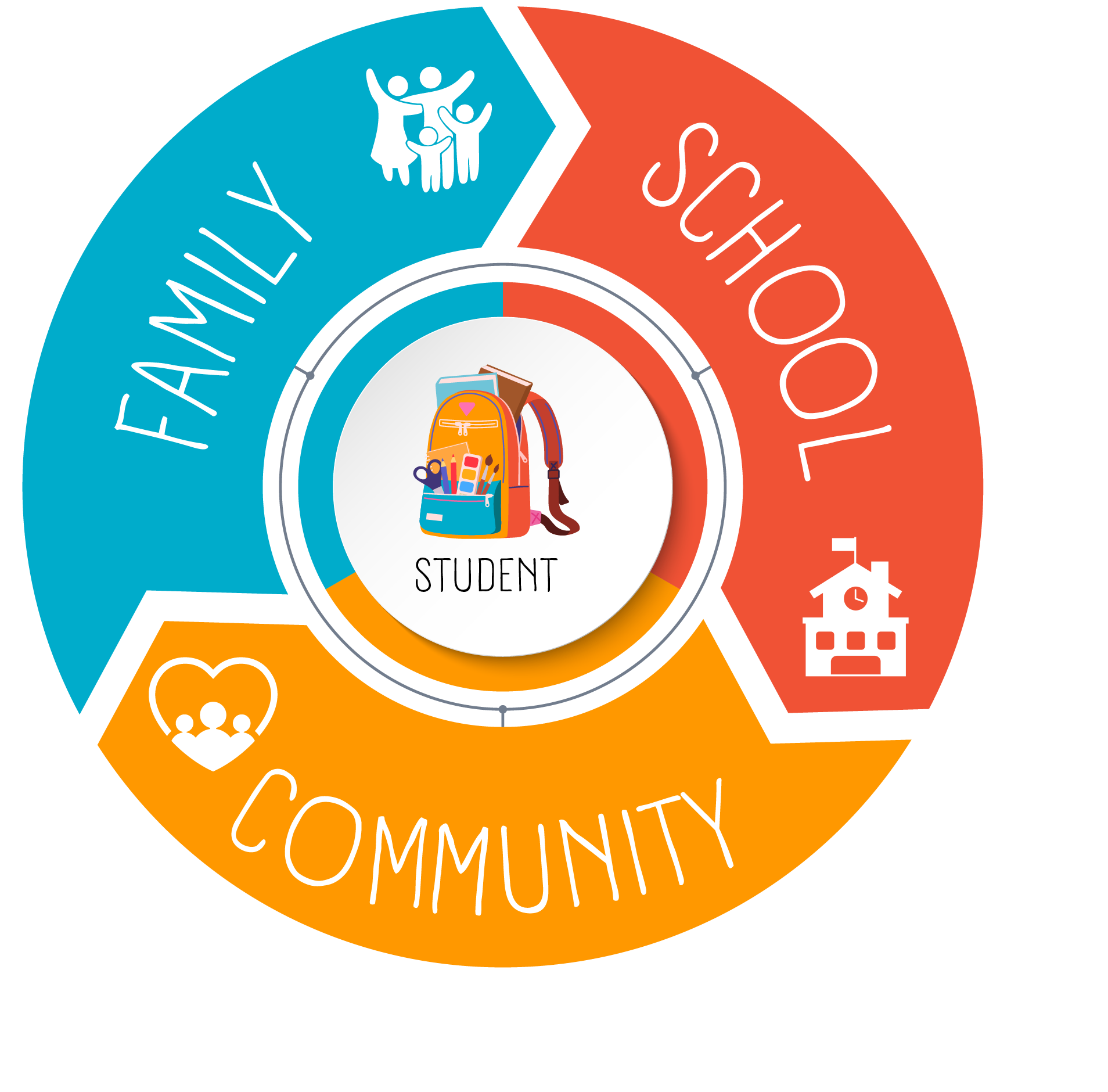
Schools and communities play a critical role in preventing teen dating violence. Educators can integrate lessons on boundaries, consent, healthy communication, and conflict resolution into health and social-emotional learning curricula.7 District administrators and school leaders must recognize dating violence as a serious school safety issue and ensure students understand what constitutes abusive behavior, both physical and psychological.7 In New Jersey, state law (N.J.S.A. 18A:35‑4.23a) requires schools to provide age-appropriate teen dating violence education for students in grades 7-12, covering definitions, warning signs, and characteristics of healthy relationships, with parents able to review materials through the principal.8The New Jersey Department of Education offers model policies for handling incidents, including clear statements that abuse is not tolerated, reporting procedures, and response protocols such as separating students, interviewing witnesses, and documenting accounts.9 State law (N.J.S.A. 18A:37‑33) also encourages districts to maintain policies that prevent and address dating violence while ensuring a safe, supportive learning environment.10 Schools can draw on county-based and statewide resources to support students experiencing or witnessing abuse, and on-site support like counselors, social workers, and peer programs can help students act as proactive bystanders and access confidential guidance.7
Teens can also take an active role in preventing dating violence by:
Recognizing the characteristics of healthy relationships
Supporting friends who may be experiencing abuse
Speaking with trusted adults or school counselors about concerns
Families remain an essential component of prevention. Engaging in open conversations about healthy relationships, discussing warning signs of abuse, and encouraging teens to speak up if they feel unsafe or observe abusive behaviors can significantly reduce the risk of dating violence.11 Research indicates that many teens lack experience in recognizing abusive behaviors, making education and open communication at home and in school environments vital.12
Awareness, communication, and access to support are all critical components of preventing teen dating abuse. If you or someone you know is experiencing dating abuse, help is available.
National resources include:
Love Is Respect offers support for young people dealing with dating abuse. You can call 1‑866‑331‑9474, text LOVEIS to 22522, or visit loveisrespect.org for confidential guidance.13
NO MORE is a national initiative focused on ending domestic violence and sexual assault. The site provides resources for survivors, educational materials, and tools to help communities prevent abuse.15
Break the Cycle empowers young people to prevent and end dating abuse. It offers education, advocacy, and confidential support to teens and young adults navigating unhealthy relationships.16
VetoViolence, a CDC initiative, provides research-based information, prevention strategies, and educational resources to help communities reduce youth violence and dating abuse.17
988 Suicide & Crisis Lifeline provides free, confidential support 24/7 for individuals experiencing emotional distress, suicidal thoughts, or mental health crises. Support is available by calling or texting 988 or through online chat at 988lifeline.org.18
RAINN (Rape, Abuse & Incest National Network) operates the National Sexual Assault Hotline, offering confidential support to survivors of sexual violence. Help is available 24/7 by calling 1-800-656-HOPE (4673) or through live chat at rainn.org.19
2NDFLOOR Youth Helpline is a confidential service for youth and young adults ages 10 to 24 in New Jersey. You can call or text 1‑888‑222‑2228 at any time.21
Safe+Sound Somerset offers free and confidential support to anyone experiencing dating, domestic, or sexual violence, and if you live in or around Somerset County, you can call or text their 24/7 helpline at 866‑685‑1122.22
New Jersey Coalition to End Domestic Violence (NJCEDV) offers comprehensive support for survivors of domestic violence across New Jersey, including hotlines, legal advocacy, counseling, and connections to local programs and shelters. Many counties also have community-based youth and domestic violence services that provide counseling, advocacy, and safe housing. You can locate resources in your area using NJCEDV’s service directory.23
The New Jersey Department of Children and Family Division on Women provides statewide resources for individuals affected by domestic violence, including 24-hour hotlines, emergency shelter, counseling, and legal advocacy, as well as detailed information on county-based programs available to support individuals in abusive relationships.24
STOPit Messenger App allows individuals to anonymously report crimes, safety concerns, or suspicious activity directly to law enforcement. Reports can be submitted through the app using the access code SOMERSETNJ, helping promote community safety while protecting anonymity.25
This February, let’s commit to raising awareness, educating teens about healthy relationships, and providing the support necessary to prevent dating violence. By working together, schools, families, and communities can help young people build relationships grounded in respect, trust, and safety.
Breiding MJ, Basile KC, Smith SG, Black MC, Mahendra RR. (2015). Intimate partner violence surveillance: uniform definitions and recommended data elements, version 2.0. Atlanta, GA: National Center for Injury Prevention and Control, Centers for Disease Control and Prevention.
Surface, J., Stader, D., Graca, T., & Lowe, J. (2012). Adolescent Dating Violence: How Should Schools Respond?. Journal of Inquiry and Action in Education, 4(3), 27-43.
New Jersey Department of Children and Families, Division on Women. (n.d.). Domestic violence direct services. State of New Jersey. https://www.nj.gov/dcf/women/domestic/.