

May is Skin Cancer Awareness Month, and it’s the perfect time to talk about something serious that often gets overlooked: sun safety.1 Skin cancer is the most common cancer in the United States, with millions of cases diagnosed each year, but here’s the good news: it’s also one of the most preventable cancers.1 By understanding how the sun affects your skin and taking simple steps to protect it, teens can reduce their risk and help catch potential problems early.
As the weather warms up, high school students will spend more time outside, whether it’s for practices, games, jobs, or just hanging out with friends. While the sun may feel inviting, many teens don’t realize how much long-term damage it can cause. One of the simplest and most effective ways to protect your skin is to wear sunscreen.2 Beyond preventing sunburns, sunscreen can help teens develop habits that safeguard their health for years to come.
Why Sunscreen Matters
Sunscreen does more than just prevent sunburn; it protects skin cells from harmful ultraviolet (UV) radiation, slows premature aging, and lowers the risk of skin cancer.2 Research shows that the majority of a person’s lifetime sun exposure occurs before age 18, making sun protection during the teen years especially important. Excessive UV exposure or repeated sunburns in childhood can significantly increase the risk of developing skin cancer.3 In fact, experiencing five or more sunburns can more than double the risk of developing melanoma, a potentially deadly form of skin cancer.4 Despite this, sunburn remains common among teens; in 2021, 64.4% of students in grades 9-12 reported being sunburned.5
Unfortunately, many teens still only apply sunscreen on sunny beach or pool days. In reality, sun exposure isn’t limited to vacations, outdoor sports, walking home from school, or attending school events; all contribute to UV exposure.4 Skin Cancer Awareness Month is a reminder to start making sun-safe habits a daily routine.1
Who Is Most at Risk?
While everyone benefits from sun protection, certain teens are more vulnerable:
- Athletes, marching band members, and lifeguards who spend long hours outside increase their UV exposure.2
- Teens with lighter skin, who burn more easily, but even teens with darker skin are at risk and may receive later diagnoses due to myths about immunity.2
- Teens who get frequent sunburns, which cause repeated DNA damage and significantly increase skin cancer risk later in life.2
- Teens who use tanning beds increase the risk of developing melanoma by up to 40% when used before age 20.6
Easy Ways Teens Can Use More Sunscreen
Building sun-safe habits is easier than you think:
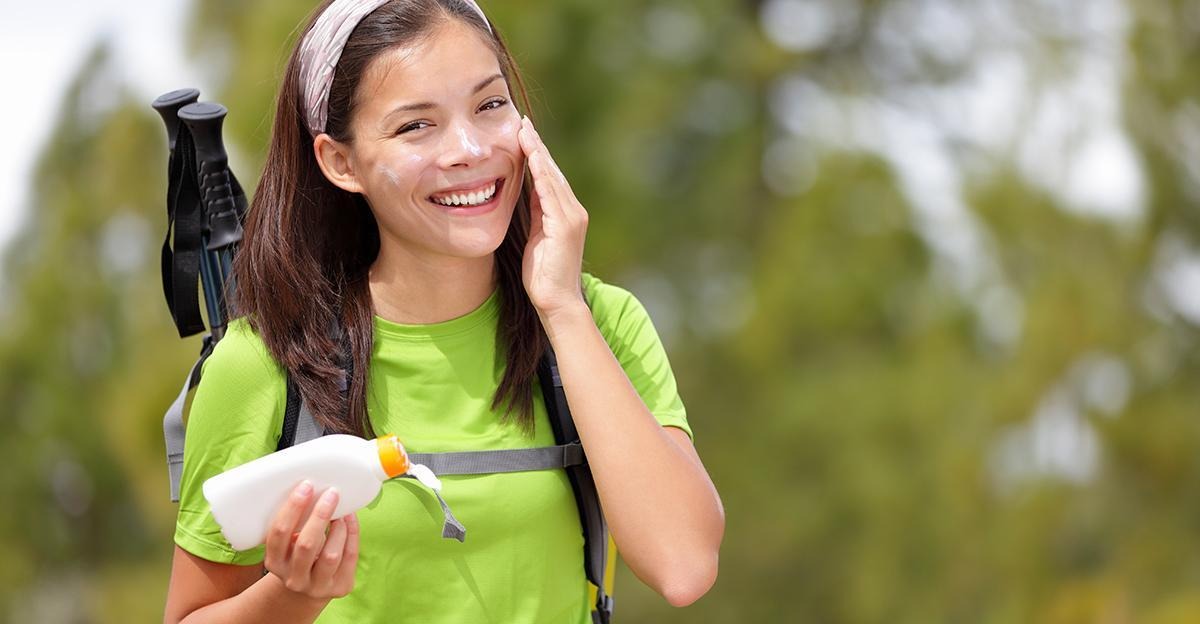
- Make SPF part of your morning routine: Use a daily moisturizer with SPF 30+ and reapply every two hours when outside. Travel-size sunscreen in your backpack or sports bag makes it easy to stay covered.7
- Protect your skin during sports: Sweat-resistant sunscreen works during outdoor practices and games. Coaches can encourage sunscreen just like hydration.5
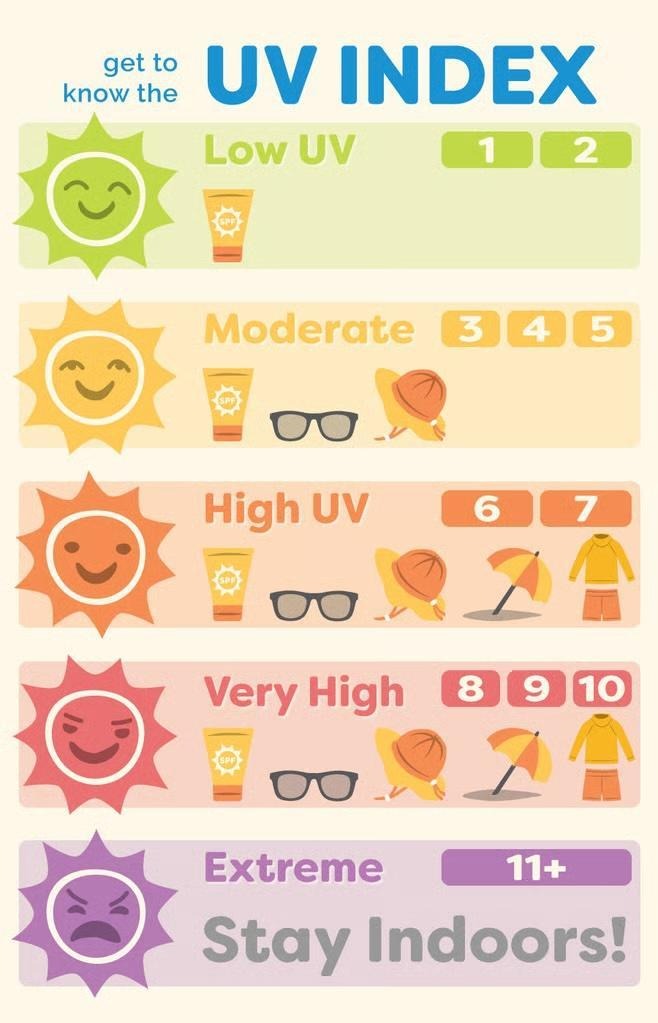
- Wear protective clothing: Hats, sunglasses, and UV-protective clothing add an extra layer of defense, especially on high-UV days.5
- Pay attention to the UV index: UV rays are strongest between 10 a.m. and 4 p.m. daylight saving time (or 9 a.m. - 3 p.m. standard time) and can reach you even on cloudy or cool days. They also reflect off surfaces like water, cement, sand, and snow. The UV Index forecasts how strong UV rays will be each day, and if it’s 3 or higher, make sure to protect your skin with sunscreen, clothing, or shade.3
- Use technology: Weather apps can show the UV index, and phone reminders can help you remember to reapply throughout the day.
A Small Habit with Lifelong Benefits
Sunscreen may be easy to forget, but its benefits last a lifetime. Consistent use protects teens from burns now and serious skin problems later. Making sunscreen a daily habit helps students invest in healthier skin and a healthier future.
Citations
- The Skin Cancer Foundation. (2025, April). May is Skin Cancer Awareness Month! The Skin Cancer Foundation. https://www.skincancer.org/get-involved/skin-cancer-awareness-month/.
- Centers for Disease Control and Prevention. (2024, July 1). Sun safety facts | Skin cancer. U.S. Department of Health & Human Services. https://www.cdc.gov/skin-cancer/sun-safety/index.html.
- U.S. Environmental Protection Agency. (2025, March 20). Ultraviolet (UV) radiation and sun exposure. https://www.epa.gov/radtown/ultraviolet-uv-radiation-and-sun-exposure.
- The Skin Cancer Foundation. (2025). Sunburn & your skin: The facts, the risks, what you can do. https://www.skincancer.org/risk-factors/sunburn/.
- National Cancer Institute. (2025). Sunburn. Cancer Trends Progress Report. https://progressreport.cancer.gov/prevention/sun/sunburn.
- Centers for Disease Control and Prevention. (2024, July 1). Reducing risk for skin cancer. U.S. Department of Health & Human Services. https://www.cdc.gov/skin-cancer/prevention/?CDC_AAref_Val=https://www.cdc.gov/cancer/skin/basic_info/prevention.htm.
- Roswell Park Comprehensive Cancer Center. (2025). Risk factors for melanoma. https://www.roswellpark.org/cancer/melanoma/what-melanoma/risk-factors.
- U.S. Environmental Protection Agency. (2025, March 20). Ultraviolet (UV) radiation and sun exposure. https://www.epa.gov/radtown/ultraviolet-uv-radiation-and-sun-exposure?utm_ .
Join Our Mission Today
Provide opportunities to get involved through youth leadership opportunities, advocacy, and engagement programs.