

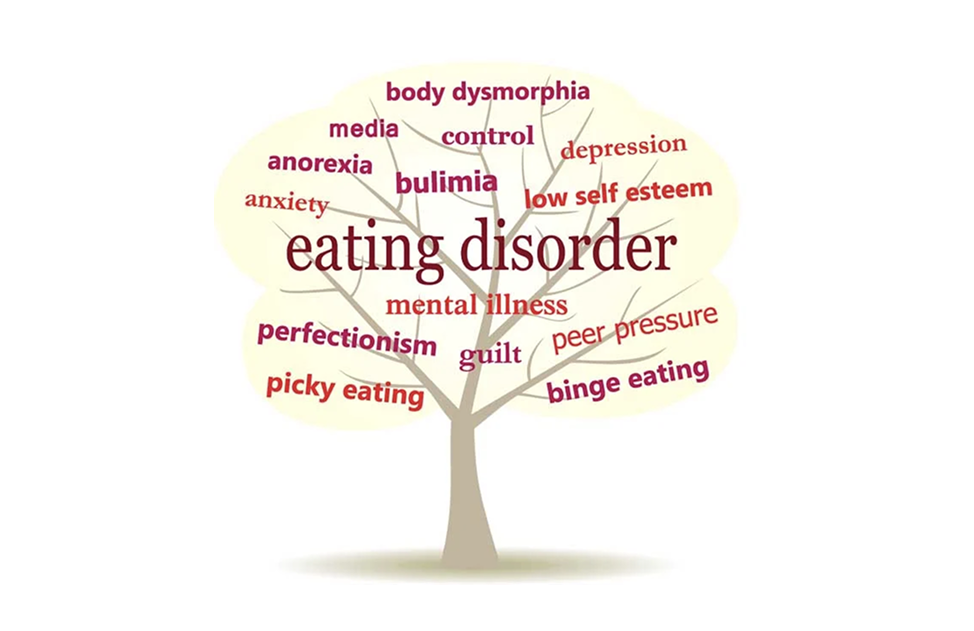
Eating disorders are the second deadliest mental illness. The stigma behind this disorder causes delayed and insufficient treatment. This article aims to inform readers about what eating disorders are, what stigmas exist, treatment options, and signs to keep an eye out for.
February 23rd to March 1st is eating disorder awareness week. Also known as NEDAW, created by the National Anorexic Aid Society in 1984. Were you aware of this? The aim of this program is to bring awareness to eating disorders and inform the public about how harmful they can be.
What are Eating Disorders?
Eating disorders are conditions which affect your mental and physical health and wellbeing. They consist of cognitive disturbances which cause abnormal thought patterns that can be difficult to control. These thoughts lead to flawed eating patterns and specific disorders such as anorexia, bulimia, binge eating disorder, avoidant/restrictive food intake disorder, orthorexia and pica.
The Stigma behind Eating Disorders
Many people have the belief that eating disorders are a choice and can easily be fixed. However, this is not the case. It is a mental and physical illness that has to be cured through cognitive and behavioral therapy. Medicine can also be utilized, if necessary. Additionally, when society pictures a person with an eating disorder, they imagine an underweight and malnourished looking body. This can be the case, however, most people with an eating disorder present with a normal and healthy appearing body. In fact, 6% or less of all sufferers come in underweight from a medical provider's standpoint.
What Causes Eating Disorders?
Flawed views of oneself and unrealistic expectations presented by the media are two of many triggers for eating disorders. Almost everyone today has access to social media and electronic devices. Our society is glamorizing unhealthily skinny bodies and promoting weight loss drugs and techniques. There are genetic and biological factors which can also play a role in developing an eating disorder.
How Common are Eating Disorders?
Eating disorders have been prevalent for centuries. However, in more recent years, research has been done in order to better understand them. Unfortunately, rates of these illnesses have increased over the years. Everyone has the ability to be affected by disordered eating. About 9% of the American population will be affected by an eating disorder at some point in their lifetime. Females unfortunately are disproportionately affected, making up 90% of all cases.
How Can Individuals Cope with Flawed Eating Habits?
Living with an eating disorder can be detrimental to someone's emotional and physical health. There are 3 main treatment options. Every case is unique to the individual, which allows for the proper treatment to be allotted.
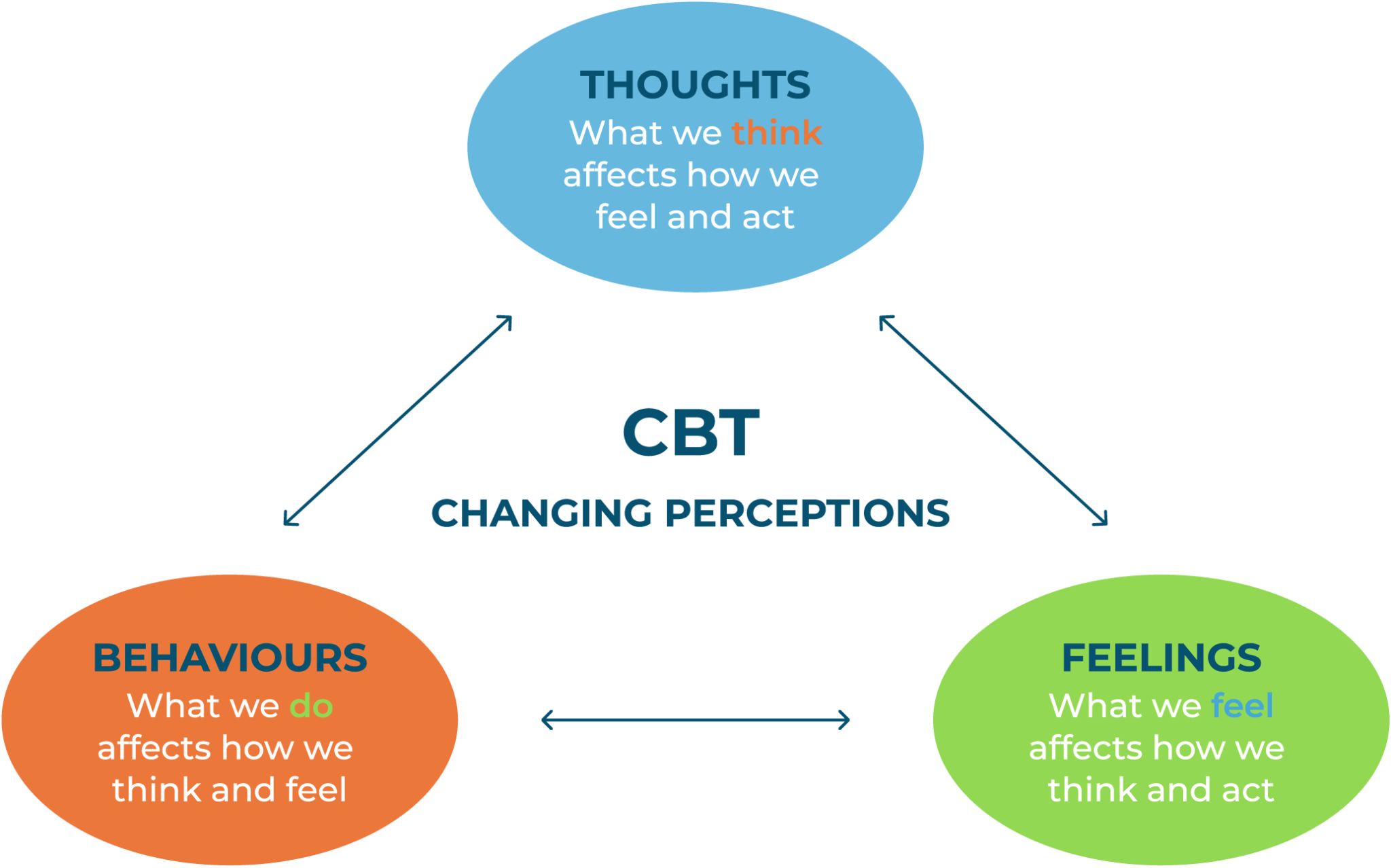
1. Psychotherapy ("Talk Therapy"): The most widely used therapy for eating disorders. CBT (Cognitive Behavioral Therapy) helps detect flawed cognitive thinking, reflect, and choose the best way to reframe false beliefs. This is the primary recommended psychotherapy technique for eating disorder treatment. Virtual Eating Disorder Treatment is a website that offers these sessions to anyone who may need it.
2. Nutritionist or Registered Dietician: These healthcare providers specialize in eating disorder treatment and can assign realistic meal plans to those who need them. Everyone's needs are different, which is why nutritionists are trained to create specialized meal plans and timelines for each case. You can find a nutritionist online at Nutritionists and Dietitians | Nourish.
3. Medication: Most often, antidepressants and antipsychotics are utilized. This is due to the fact that eating disorders often have a dual diagnosis with other mental illnesses such as anxiety and depression.
All three of these treatment options can be used together in eating disorder treatment. Finding the best fit may take time, and patience.
How to Recognize the Warning Signs
There are numerous signs and indications that someone may be struggling with an eating disorder. One of the most telling signs is an underweight appearance. Some other not so common signs may be:
- Thinning hair
- Excessive exercise
- Eating a lot of food, very fast
- Avoiding eating with peers
- Wearing loose or baggy clothing often
- Lifeless eyes and face
- Puffy face
- Social withdrawal
If you or someone you know is struggling with an eating disorder, please call the National Alliance for Eating Disorders Helpline: (866) 662-1235
References
- https://www.nationaleatingdisorders.org/
- https://www.nationaleatingdisorders.org/welcome-39th-eating-disorders-awareness-week/
- https://www.psychiatry.org/patients-families/eating-disorders/what-are-eating-disorders
- An overview of the treatment of eating disorders in adults and adolescents: pharmacology and psychotherapy - PMC
- Stigma and Eating Disorders
- Eating Disorder Statistics - National Eating Disorders Association
- Eating Disorders: What They Are, Symptoms, Treatment & Types
- Eating Disorder Hotline - Free 24/7 | 866-903-3787
Join Our Mission Today
Provide opportunities to get involved through youth leadership opportunities, advocacy, and engagement programs.