BACK
Positive Risk-Taking: Helping Young People Grow Through Challenge, Choice and Discovery
published on
November 1, 2026


published on
November 1, 2026
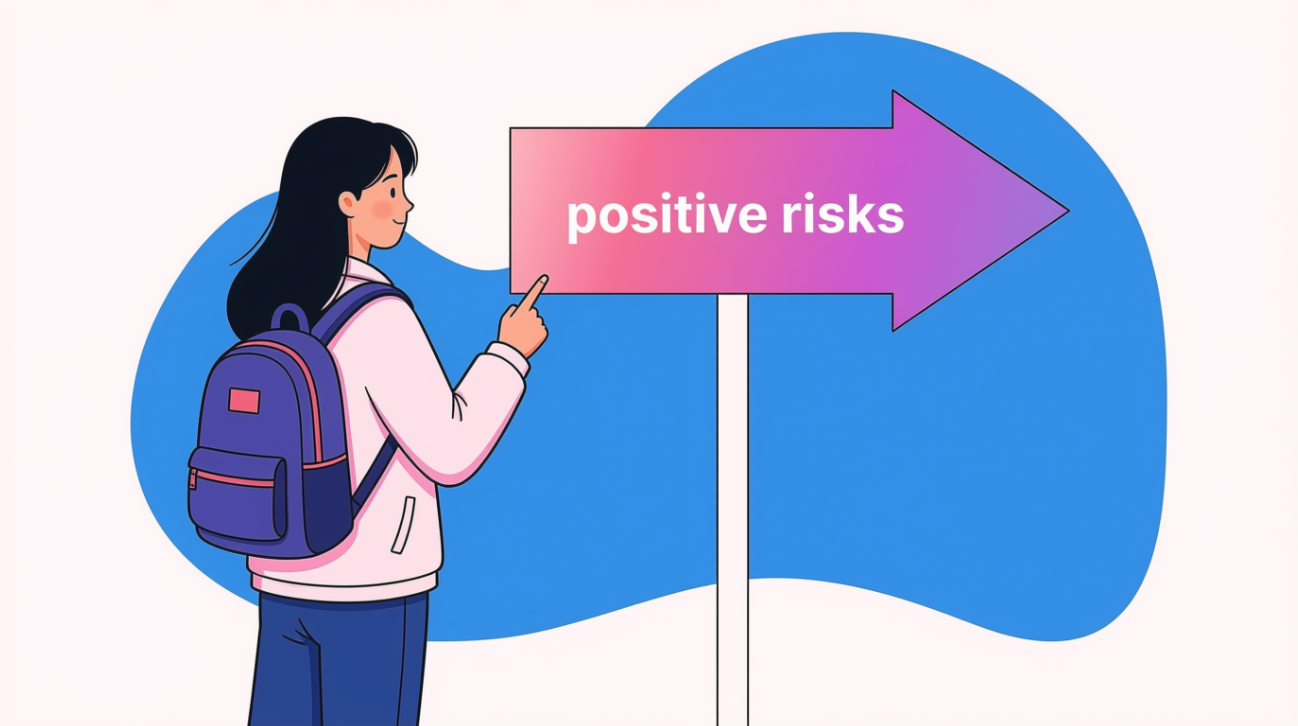
For youth, taking positive risks is an important part of growing up and developing independence. Trying out for a sports team, speaking in front of a class, making new friends, or simply doing something that is outside their comfort zone can all involve an element of risk. These experiences often involve uncertainty, the possibility of failure, and sometimes the fear of embarrassment or rejection. However, they can also provide valuable opportunities for young people to discover who they are, develop their abilities, and gain confidence in what they are capable of achieving. Increasingly, research suggests that adolescence should not be viewed solely through the lens of problematic risk-taking; positive risk-taking is a distinct and potentially valuable aspect of adolescent development (Duell & Steinberg, 2019).

What is positive risk-taking?
Risk-taking involves doing something when the outcome is uncertain. The result could be positive or negative, and the consequences can range from relatively minor to extremely serious. Positive risk-taking occurs when young people choose challenges that involve uncertainty or the possibility of failure but are socially acceptable, constructive and unlikely to cause serious harm. Although some experiences may be uncomfortable, failure and discomfort are not necessarily signs that something has gone wrong. Instead, they can be valuable and essential parts of the learning process, helping young people develop resilience, reflect on their experiences, and grow from challenges. However, there is a fundamental difference between taking a challenge where failure might lead to disappointment and taking a risk where failure could result in serious injury, exploitation, addiction, violence or lasting harm. Dangerous behaviours can include substance misuse, dangerous driving, unsafe sexual behaviour, violence, certain forms of illegal activity and unsafe online behaviour.
Learning to fail is part of learning to succeed
One of the most valuable things positive risk-taking can teach young people is how to cope with failure. A childhood environment that eliminates every possibility of failure may unintentionally leave young people less prepared for adulthood. Real life contains rejection, disappointment, uncertainty and mistakes. Positive risks provide relatively safe opportunities to practice dealing with them. The goal is not to make failure painless. The goal is to help young people discover that failure is survivable and often useful. Positive risk-taking has been associated with resilience, problem-solving, confidence, autonomy and the ability to adapt to challenges (YMCA of Greater Toronto, 2024).
Risk-taking can build identity
Adolescence is a time when young people begin developing a clearer sense of identity. They experiment with interests, relationships, values, activities, careers and social roles. This experimentation can involve uncertainty. Young people need opportunities to try new things. Research on positive risk-taking emphasizes that constructive risks can provide opportunities for exploration, identity development, and engagement with meaningful goals (Duell and Steinberg, 2019). In this sense, positive risk-taking is not simply about excitement. It is about discovery.

The role of peers
Friends can be a powerful influence on adolescent risk-taking. Peer influence can contribute to harmful behaviour, but it can also encourage positive choices. Young people can positively influence one another by encouraging participation in sports, clubs, volunteering, new skills, and other experiences that build confidence and support personal growth. A youth surrounded by supportive friends is being exposed to a very different kind of social pressure from a youth being encouraged to engage in dangerous behaviour.
The role of parents, guardians, and teachers
Adults can play an important role in supporting young people as they explore positive risks and develop greater independence. Rather than attempting to eliminate risk altogether, adults can help create opportunities for young people to take appropriate risks within safe and supportive boundaries. This can involve encouraging constructive challenges, discussing possible consequences, setting reasonable limits, and allowing young people to learn from manageable mistakes. Supportive relationships and open communication can also help young people develop confidence, make informed decisions, and recognise the difference between positive challenges and behaviours that may lead to serious harm.
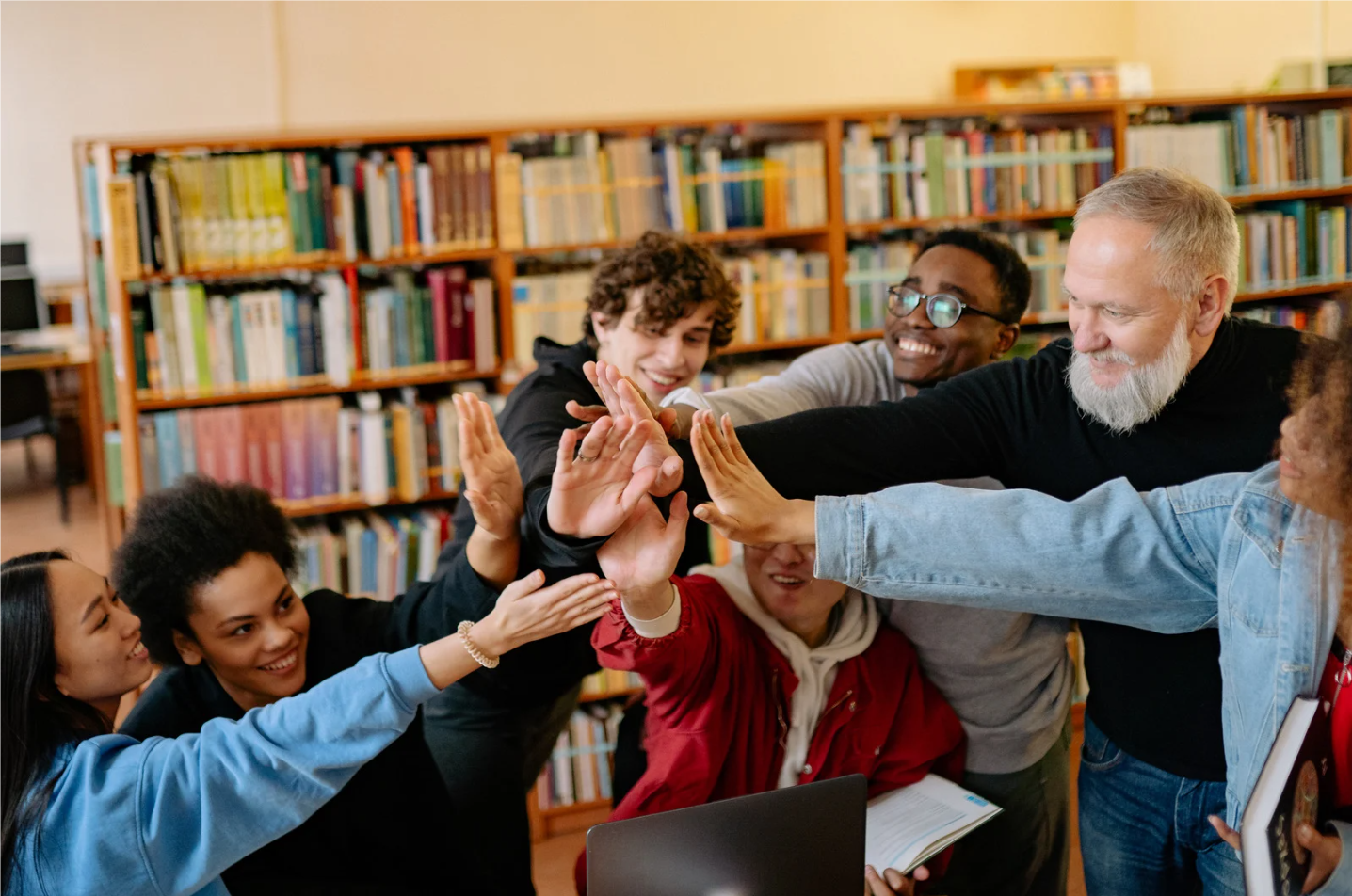
Six Areas Where Young People Can Take Positive Risks
Positive risk-taking does not have to involve extreme adventures or dramatic challenges. Everyday experiences can provide equally valuable opportunities for growth, learning, and personal development.
1. Social Risks - Youth may introduce themselves to someone new, join a club, participate in a group, or initiate a friendship. These experiences can strengthen communication skills, empathy, social confidence, and the ability to build meaningful relationships.
2. Creative Risks - Young people can take creative risks by performing, writing, making art, playing music, creating videos, designing something new, or sharing their work with others. Creative activities can involve vulnerability because there is always the possibility of criticism or judgment. Taking these risks can help youth develop self-expression, confidence, and perseverance.
3. Academic Risks - Students may choose a challenging subject, ask a question in class, enter a competition, give a presentation, or attempt a difficult project. The goal is not always to achieve the highest grade. Sometimes, the greater value lies in challenging themselves, exploring their abilities, and developing a willingness to learn from mistakes.
4. Physical Risks - Appropriate adventure and physical activity can provide excitement while helping young people develop skills, confidence, and physical competence. Depending on age, ability, and appropriate supervision, this may include activities such as climbing, cycling, martial arts, team sports, hiking, or other structured physical activities.
5. Responsibility Risks - Taking on real-world responsibilities can also involve positive risk-taking. Young people may prepare a meal, organise an event, manage a budget, travel independently, or take responsibility for household tasks. Although these activities may not appear adventurous, they provide valuable opportunities to develop decision-making skills, independence, and confidence in preparation for adulthood.
6. Purpose and Leadership - Young people can take meaningful risks by speaking up about issues they care about, volunteering, organising a community project, or taking on a leadership role. These experiences can help them develop a sense of purpose, responsibility, and confidence while demonstrating that their ideas, contributions, and voices can make a difference.
Positive risk-taking is an important part of growing up, providing young people with opportunities to explore their interests, develop independence, build confidence, strengthen relationships and discover their abilities. While some risks can lead to serious harm, positive risks can help young people develop resilience, problem-solving skills and the confidence to navigate challenges and uncertainty. The goal is not to eliminate risk, but to help young people recognise the difference between worthwhile challenges and harmful behaviour, while creating opportunities for meaningful challenge, choice, discovery and growth.
References:
https://understandingteenagers.com.au/why-teenagers-take-risks/
https://raisingchildren.net.au/teens/behaviour/behaviour-questions-issues/risky-behaviour
https://pmc.ncbi.nlm.nih.gov/articles/PMC2396566/
https://www.rch.org.au/kidsinfo/fact_sheets/Taking_risks_-_teens_and_young_people/
https://pmc.ncbi.nlm.nih.gov/articles/PMC6371981/
https://parentandteen.com/taking-healthy-risks-supporting-teen-development/
https://www.ymcagta.org/blog/benefits-of-risks-for-youth
https://www.rockpointschool.org/on-the-point-blog/confidence-risk-and-teenage-brain
Provide opportunities to get involved through youth leadership opportunities, advocacy, and engagement programs.