

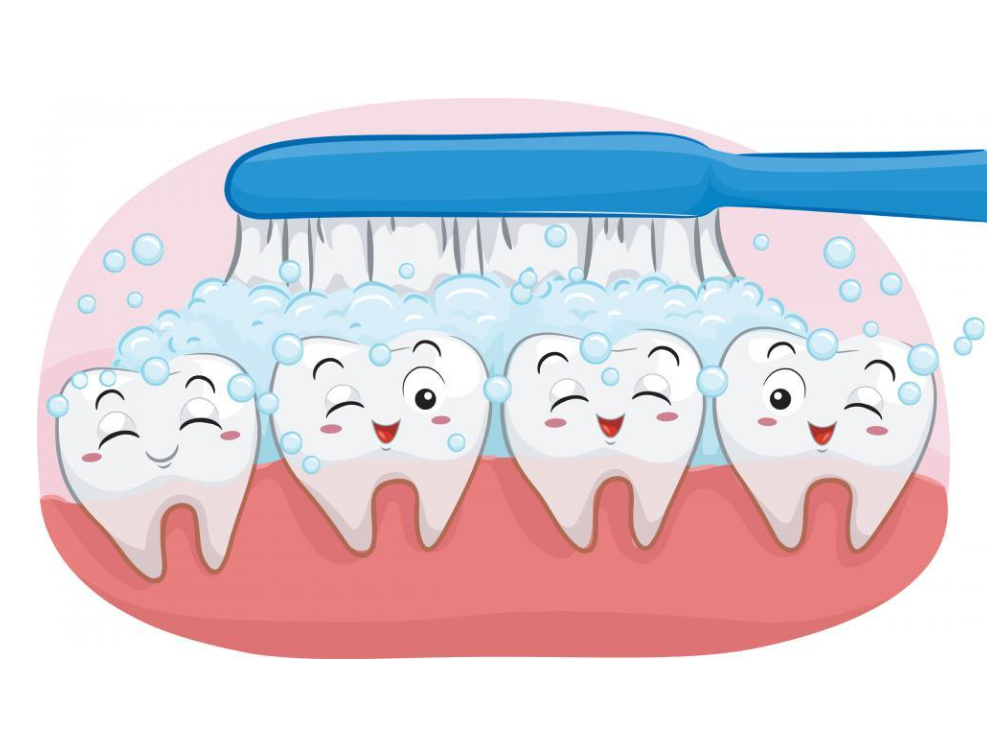
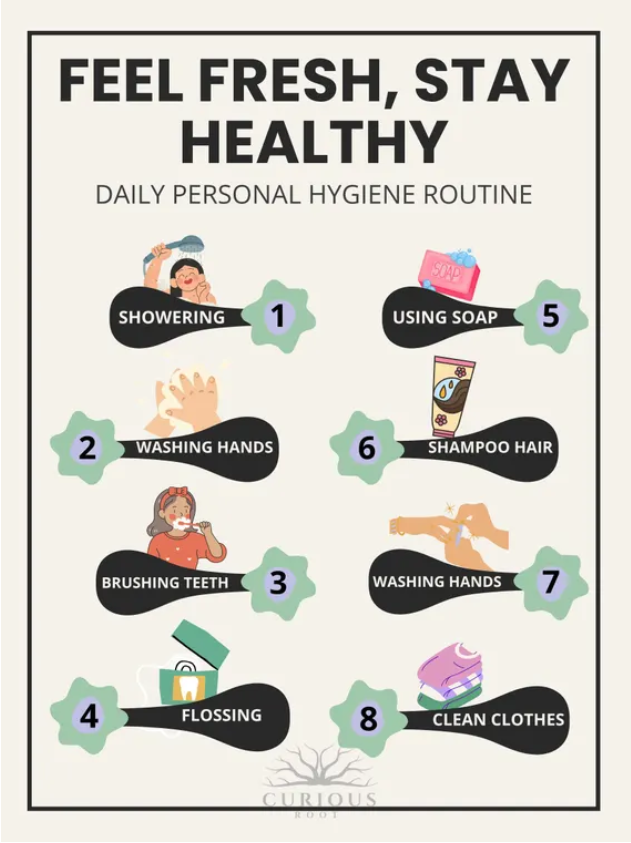
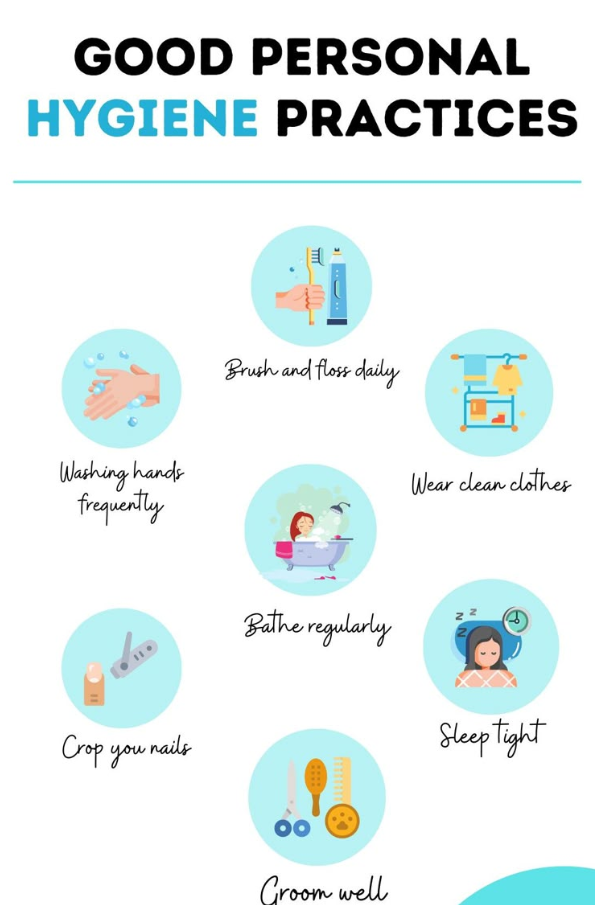
It is important to remember that proper personal hygiene is equally important in establishing a healthy lifestyle as is nutrition, exercise, mindfulness and more. It improves self-confidence, encourages independence, and works as the first line of defense against disease. The core goal of proper hygiene is to prevent germs, which are tiny, microscopic organisms that cause diseases. Germs’ main task is to invade your body, gobble up your nutrients and release toxins into your body. These toxins are the primary cause of common illness symptoms including coughing, rashes, fevers and diarrhea, to name a few. To better understand hygiene, let’s break it down into simple tasks that will lead to a healthier day and lifestyle overall.
Hand Hygiene:
Most people understand the importance of hand hygiene, but let’s break down the actual data. One concerning study from Healthy Schools, Healthy People found that only 58% of female and 48% of male middle to high school students washed their hands after using the bathroom. Out of those who did wash, only 33% of females and 8% of males used soap. According to data from the CDC, proper handwashing can protect 1 out of every 3 children who get sick with diarrhea, and almost 1 out of every 5 children with pneumonia. The CDC also states that the estimated global rate for handwashing after using the toilet is 19%. These metrics are deeply alarming.
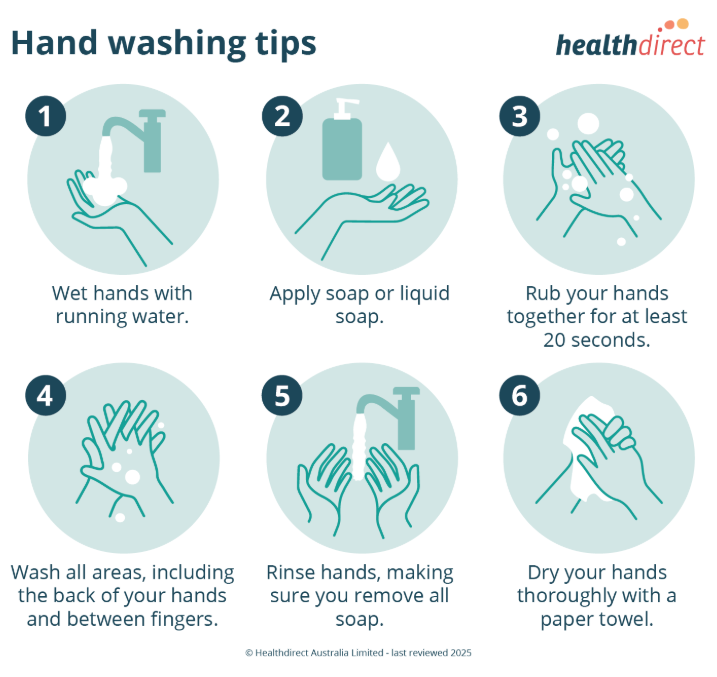
So, what can be done? Fortunately, the CDC outlines five clear steps for the proper handwashing technique. First, let’s wet your hands with clean running water, turn off the tap and apply the soap. Next, you are going to lather your hands by rubbing them together with soap. By definition, lathering means agitating the soap with water to produce a frothy mass of bubbles. It is important to cover the back of your hands, between your fingers and even under your nails. Then, let’s scrub your hands for at least 20 seconds. Statistics show that 20 seconds is the minimal time to remove the maximum amount of germs. Fourth, you are going to rinse your hands well under that clean running water. Lastly, drying your hands completely with a clean towel or air dryer prevents the immediate reacquisition of bacteria.
There are many scenarios where clean towels, soap or running water are inaccessible. In these scenarios, the CDC advises the use of alcohol-based hand sanitizer. The CDC recommends that the alcohol-based hand sanitizer contains at least 60% alcohol to ensure the proper effectiveness. Utilizing a high-quality sanitizer serves as the best immediate countermeasure to neutralize germs upon contact when traditional handwashing is impossible.
Facial Cleanliness:
Many diseases and conditions can be prevented or controlled by frequently washing your face. It sounds so simple, but let’s think before touching your face. On average, people touch their face 23 times per hour. That is 23 instances where germs can easily spread to your eyes, nose and mouth. How can protection be built against this? First, let’s look at the previous section and remember the proper handwashing technique. Second, make sure to use tissues when sneezing or cover up while coughing. Lastly, let’s try to limit itchiness caused by dry skin or dry eyes. This is achieved by using the proper moisturizer or the correct eye droplets. These three simple tasks are the main components of facial cleanliness and go a long way in improving overall hygiene.
Oral Hygiene:
Consider the actual frequency of brushing twice a day, flossing consistency, and using mouthwash. Oral hygiene is very often overlooked and yet it is far more important than many people realize. According to the CDC, cavities are the most common chronic disease among adolescents in the US. Approximately 1 in every 10 adolescents aged 12 to 19 years old has at least one untreated cavity. Furthermore, nearly 57% of adolescents in the same age group have cavities in their permanent teeth. These statistics highlight a concerning public health issue that requires consistent daily care.
Let’s examine the core components of oral care: brushing your teeth. This is the most critical step in removing dental plaque, which is a sticky, colorless film of bacteria. Flossing helps clean the tight spaces in between the teeth to prevent plague buildup there. Mouthwash serves as another effective method for combating dental plague. Most mouthwashes are fluoride based, which helps strengthen the tooth’s surface enamel. Quick definition, enamel the hard protective thin outer surface of the tooth that shields it from decay. All three are vital preventative techniques that stop the accumulation of plague, which is the leading cause of tooth decay and the direct link to most gum diseases.
Proper execution is vital when practicing oral hygiene. It is highly recommended to use a fluoride-based toothpaste, as fluoride is the specific element that strengthens teeth. The brushing technique should involve gentle, circular motions rather than harsh, back and forth scrubbing. Those harsh back and forth scrubbing can cause damage to the gums. It is important to brush all sides of each tooth and to remember to gently clean the tongue and gums as well. While flossing can be challenging to master, let’s make an effort to clear the spaces between every single tooth. Finally, while mouthwash is not strictly essential every day, it should definitely be incorporated into the routine if fluoride toothpaste is not being used.
Body Odor:
Imagine sitting in a crowded classroom where a nearby individual has noticeable body odor; it can make it incredibly difficult for anyone to concentrate. Let’s break down the science behind this common issue. Body odor is directly related to sweat glands. There are two different types of sweat glands in the body: eccrine and apocrine glands. Eccrine glands are found all throughout the body, while apocrine glands are concentrated in areas like the armpits and groin. The primary purpose of sweat is to cool the body down when it is hot. Contrary to popular belief, sweat itself doesn’t smell. It’s actually the natural bacteria on the skin coming into contact with the perspiration released by those apocrine glands.
How can this problem be fixed? There are many ways to help prevent the smell caused by the bacteria. The most impactful way is taking a shower immediately after the activity, but for most teens, this isn’t always practical. Luckily, there is another daily solution: deodorant. Deodorant’s job is to target and repel the bacteria caused by sweat, preventing that unwanted smell. Deodorant is readily available and something most people can easily find at the local supermarket or drugstore. Utilizing it daily is important in helping create a clean, healthy-smelling environment.
Outcome:
An alarming number of people carry poor hygiene habits into adulthood. This leads to higher chances of infection, severe acne, worsening body odor and greater risk of getting periodontal disease. Most of these diseases are entirely preventable, and with the proper hygienic techniques learned throughout this article, they will be. So, next time health is being evaluated, let’s always remember the vital role of proper hygiene.
References:
https://www.cdc.gov/hygiene/about/coughing-and-sneezing.html
https://www.cdc.gov/hygiene/about/facial-cleanliness.html
https://www.healthdirect.gov.au/personal-hygiene
https://www.cdc.gov/clean-hands/about/index.html#cdc_health_safety_special_topic_how-how-it-works
https://www.cdc.gov/clean-hands/faq/index.html
https://kidshealth.org/en/kids/germs.html
https://www.healthyschoolshealthypeople.org/community/hand-hygiene-facts-and-statistics
https://www.cdc.gov/clean-hands/data-research/facts-stats/index.html
https://www.nidcr.nih.gov/health-info/oral-hygiene
https://www.cdc.gov/oral-health/prevention/oral-health-tips-for-children.html
Join Our Mission Today
Provide opportunities to get involved through youth leadership opportunities, advocacy, and engagement programs.