

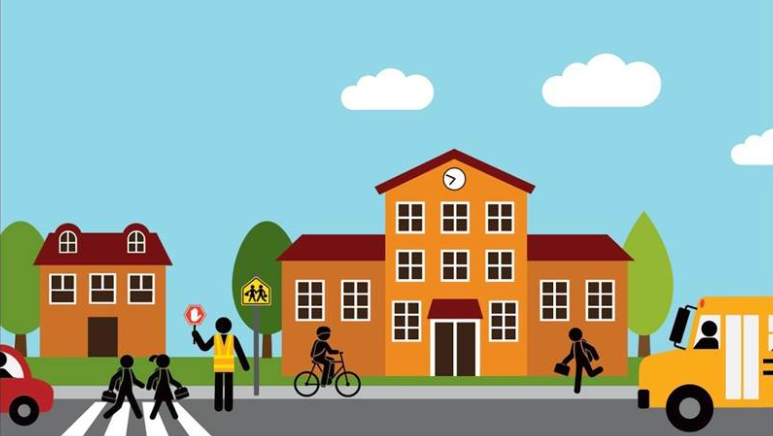
As the school year comes to an end and the summer begins, the safety habits students practice throughout the year become more important. The routines and decision making skills reinforced at school can help students recognize risk, make safer choices, and prevent injuries away from the classroom. By consistently promoting safety, schools help equip students with the knowledge and confidence they need to stay safe during summer activities.
The National Safety Council emphasizes preventing unintentional injuries, which remain a concern for children and teens. National Injury data reports unintentional injuries as the leading cause of emergency room visits among school-aged children. According to the Centers for Disease Control and Prevention, millions of children receive treatment each year due to injuries that are considered preventable. Awareness, supervision, and education all play major roles in addressing these risks by laying out clear safety expectations throughout the day.
Safety also extends far beyond the school’s grounds. Transportation and daily routines are another leading cause of death across age groups, and stressing the importance of pedestrian and transportation safety is imperative. Research from prevention experts highlighted the need for structured dismissals, consistent supervision, and age-appropriate education. When schools prioritize these measures, they help protect students not only on campus but also on their everyday life around the community.
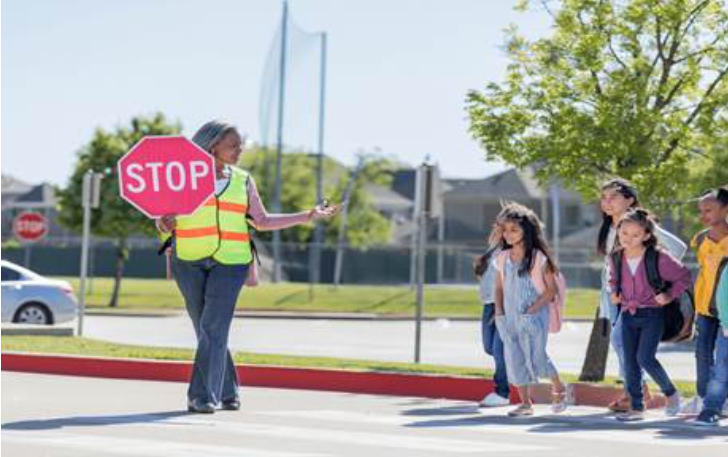
Schools can take proactive steps towards safety in a way that feels engaging yet powerful. When safety is introduced through activities, it becomes more of a part of school culture rather than a source of stress. By leaning into this creativity, schools can turn everyday moments into meaningful opportunities for awareness. Below are some fun activities that can help you bring more awareness to safety in your school.
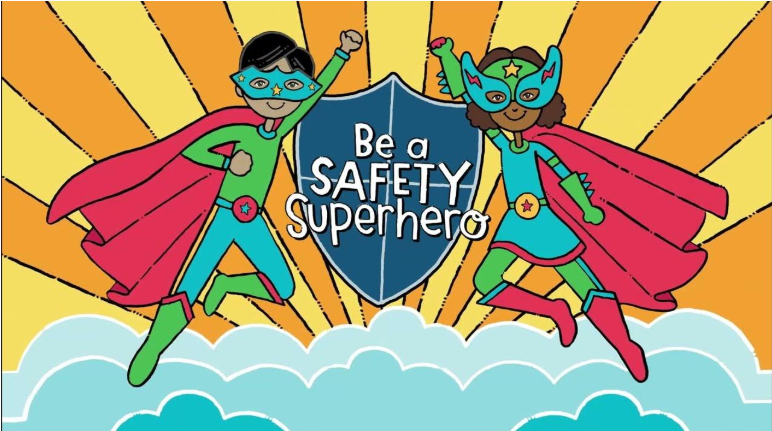
Safety Superhero Day
This could be a great way to invite students and staff to dress as superheroes while highlighting everyday safety superpowers. This could also lead to spreading kindness and helping others. Short classroom conversations and announcements can reinforce the messaging in a fun, low-pressure way.
Student Safety with Art Challenges
Encouraging students to create posters and other items can help display the artwork that emphasizes safety skills visually and supports guidance in using education and positive environments to reduce student injury risk.
By embedding safety into routines and positive interactions, schools can help build confidence in a way that feels supportive. When safety is approached through creativity and consistency, it also fosters a culture that makes safety feel more obtainable.
References:
Federal Interagency Forum on Child and Family Statistics. (2023). America’s children: Health—Unintentional injury.
https://www.childstats.gov/americaschildren23/phys7.asp
Centers for Disease Control and Prevention (CDC). (2025). Injuries and violence are leading causes of death (WISQARS animated data).
https://wisqars.cdc.gov/animated-leading-causes/
Kendi, S., Johnston, B. D., & Council on Injury, Violence, and Poison Prevention. (2023). Epidemiology and prevention of child pedestrian injury. Pediatrics, 152(1), e2023062508.
https://publications.aap.org/pediatrics/article/152/1/e2023062508/191566/Epidemiology-and-Prevention-of-Child-Pedestrian
Join Our Mission Today
Provide opportunities to get involved through youth leadership opportunities, advocacy, and engagement programs.