


PROBLEM OVERVIEW:
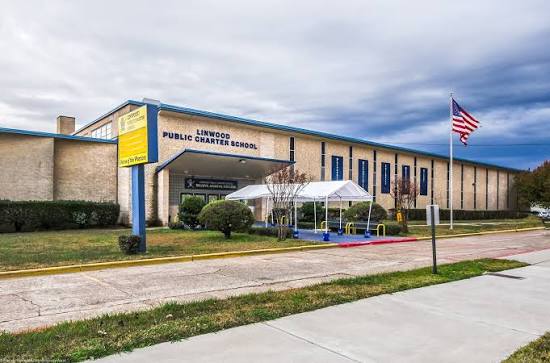
Like many urban districts in New Jersey, Lindenwold Public Schools serves a high-need community where students and staff face significant barriers to wellness. With over 70% of students qualifying for free or reduced lunch and limited access to structured physical activity and health education outside of the school day, the district identified a critical gap: there were few structured opportunities for students to build healthy habits, and staff wellness was largely unaddressed. Research consistently links student wellness to academic outcomes and teacher wellness to retention and school climate. Without intentional investment in health programming, these gaps would continue to widen.
PROGRAM / ACTIVITY DESCRIPTION:
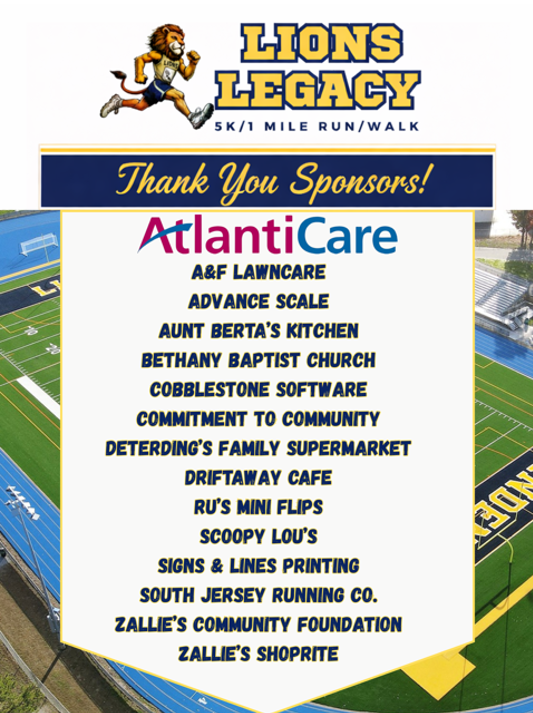
Using DOH/AtlantiCare WSCC grant funding, the Lindenwold Health & Wellness Team — led by District Wellness Coordinator Kathleen Huder and Community & Inclusion Coordinator Amber Callow — implemented four key wellness initiatives across the 2025–2026 schoolyear, reaching all five district buildings. On March 28, 2026, the district hosted the Lindenwold Community 5K Run & Walk, a certified community event organized by Chris Cybulski and Noel Maloney. Open to students, families, staff, and community members of all fitness levels, the event featured T-shirts, plaques, refreshments, and local business participation. On January22, 2026, the ECC hosted a Wellness Yoga Event led by Mrs. Rachael Spaventa in the Preschool Activity Gym, offering staff a mindfulness-based entry point to physical wellness with healthy snacks provided by Sunshine. On April 15, 2026,the ECC Sunshine Committee hosted a Paint Night for staff, coordinated by Amber Callow and Kim Accardo, providing a creative outlet for peer connection and stress relief. District-wide, students at all five buildings participated in Wellness Week Health Education Contests (February–March 2026), with each building selecting a theme tailored to their students: Myth Busters at the high school, a Healthy Habits Streak Tracker at the middle school, My Plate nutrition education at School 4, and Passenger & Parking Lot Safety at the ECC.S ubmissions were due March 27, 2026, with $3,000 in grant-funded prizes awarded.
PROGRAM / ACTIVITY OUTCOMES:
As a result of these initiatives, Lindenwold Public Schools reached an estimated 1,800+ students across all grade levels (PK–12), 200+ staff members, and 75+ family and community members through health programming that would not have been possible without grant support. The 5K established a replicable community event model now planned for future years. Wellness Week contests generated measurable classroom engagement with health topics at every building level, with teachers reporting increased student conversations around nutrition, safety, and healthy habits. Staff wellness events at the ECC directly supported a workforce that is approximately80% female and majority minority, a population with limited access to employer-sponsored wellness benefits. Short-term outcomes include increased physical activity participation, staff stress reduction, and improved health literacy. Long-term, the district is building infrastructure for sustainable wellness programming embedded in school culture, with the H&W team and building-level reps positioned to expand programming in 2026–2027.
CONCLUSION:
The 2025–2026 school year demonstrated that with dedicated grant funding and a committed wellness team, Lindenwold Public Schools can deliver high-quality, culturally responsive health programming at scale. These events created visible proof that wellness is a district priority — for students in every building, for staff who show up daily to support them, and for the families who are their first partners in health. The WSCC/SEL framework gave the team a structure to address the whole child, and the results speak for themselves: a community that moved, connected, learned, and grew together.