

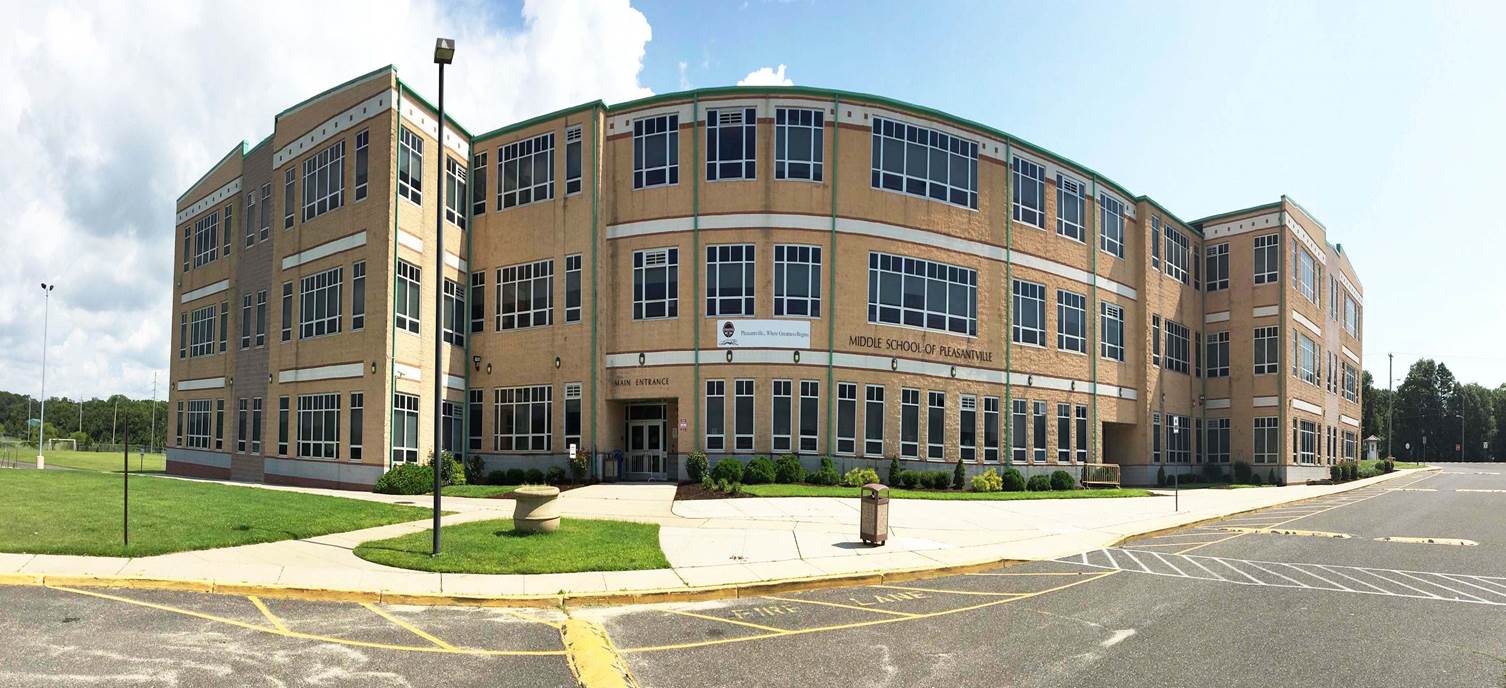
This year, our school experienced several meaningful successes that reflect the principles of the Whole School, Whole Community, Whole Child (WSCC) Model and the integration of Social-Emotional Learning (SEL)components. Through intentional family engagement activities and inclusive student experiences, we created opportunities that supported academic growth, social development, emotional well-being, and community connections.
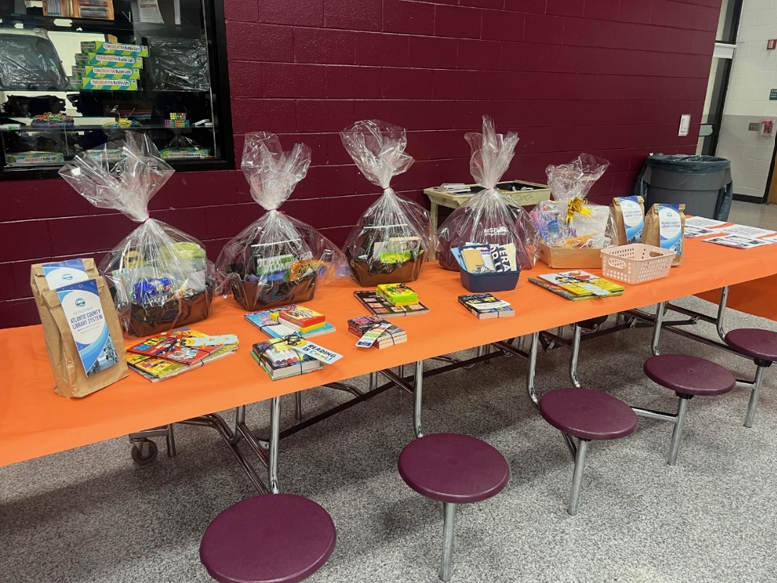
One of our most successful events was our Literacy Night, which brought together students, families, and staff in a welcoming and engaging environment focused on reading and learning. Families participated in literacy-based activities alongside their children, strengthening the connection between home and school. This event supported the WSCC Model by promoting family engagement and reinforcing the importance of education beyond the classroom. Literacy Night also fostered SEL competencies such as relationship skills and social awareness, as students collaborated with peers and family members while celebrating their learning achievements. The event demonstrated how family involvement can positively impact student success and strengthen the school community. Another significant accomplishment was an inclusive fieldtrip that involved nearly 80 students, including bilingual learners, students receiving special education services in the Learning Disabilities (LD) program, and general education students. This experience provided a valuable opportunity for students from diverse backgrounds to interact, learn, and build meaningful relationships outside the traditional classroom setting. By bringing together students with varying abilities, languages, and learning needs, we promoted a culture of inclusion and belonging that aligns closely with the WSCC Model's emphasis on social and emotional climate. The field trip included a visit to a trampoline park, where students participated in physical activity while developing teamwork, communication, and problem-solving skills. Students encouraged one another, celebrated successes, and demonstrated resilience as they engaged in new challenges. These experiences supported SEL competencies such as self-management, relationship skills, and responsible decision-making. The physical activity also contributed to students' overall health and wellness, another key component of the WSCC framework.
Following the trampoline park visit, students enjoyed a meal at a hibachi grill buffet. This dining experience provided more than just a meal; it became an opportunity for students to expand their horizons by trying new foods and exploring different cultural experiences. Many students stepped outside their comfort zones and sampled foods they had never tasted before. This experience encouraged open-mindedness, self-confidence, and social awareness while allowing students to engage in conversations and shared experiences with their peers. The buffet setting also promoted independence and decision-making as students selected foods and navigated the dining experience responsibly.
Together, these events exemplify how the WSCC Model and SEL components can be effectively integrated into school activities. By prioritizing family engagement, inclusion, physical wellness, cultural exploration, and social-emotional development, we created memorable experiences that supported the whole child. These successes highlight our commitment to fostering an educational environment where every student feels connected, valued, and empowered to grow academically, socially, and emotionally.